Put winter hazards on the site plan before you move a dock door or set a new traffic route. A good loading dock layout gives trucks room to line up, keeps staff out of vehicle paths, and moves meltwater away from doors and work zones. The best plan for 2026 is the one that fits the trucks, goods, and daily pace at your site.
Start With the Truck Route
Map the full trip a truck takes, from the site gate to its dock bay and back out. Note each turn, blind spot, and spot where a driver may need to back up. Snow piles can narrow a route that feels wide in dry weather.
Walk the site with a driver or yard lead. Look at what a large truck can see as it turns and lines up. Set a clear route that does not force a truck to cross a staff walk or block an exit.
A simple route cuts last-minute moves near the dock. It also gives snow crews a plan for where they can clear lanes and store snow without harm to traffic flow.
Keep Staff Paths Away From Trucks
Staff may walk from the dock to a side door, waste area, car park, or break room many times per shift. If those trips cross truck paths, ice and low light make a hard job more risky.
Mark a walk path that stays clear of the truck lane where the site allows. Use guardrails or other fixed parts where a painted line would not be enough. Keep dock edges and stair points easy to see.
- Mark staff walks and truck lanes.
- Keep stock and waste out of both paths.
- Put clear signs at blind turns.
- Review where lift trucks meet foot traffic.
Paint alone may not stop a crash. A good plan uses space, sightlines, and firm guides to keep people and trucks apart.
Plan for Meltwater and Drain Flow
Water near a dock can freeze at night and turn a busy work area slick by morning. A grade that sends water toward the dock door may also let slush reach the floor inside.
Check where rain and snowmelt flow now. Look for low spots near the apron, blocked grates, and ice that forms in the same place each year. A site plan may call for grade work, a drain fix, or a new water path.
Water needs a route away from the dock. Do not count on salt or mops to solve a grade fault that sends runoff to the door each storm.
Give Snow a Place to Go
Snow crews need a spot to pile snow that will not block views, drains, doors, or truck turns. A heap at the end of an apron may send meltwater back toward the dock as the day warms.
Set snow zones on the site plan and share them with the crew that clears the lot. Keep piles away from walk paths, fire routes, and drain inlets. Make sure trucks can still turn once snow banks grow.
Snow storage is part of dock design, not a task to sort out after the storm. The best place for a pile is one that stays out of the way and drains well as it melts.
Use Door Seals and Light Well
Cold air and snow can enter through gaps around dock doors. Worn seals can let slush reach the dock floor and make it hard to keep the work area dry. A winter review should cover the door, dock seal, frame, and floor at each bay.
Light matters too. Short days and dark trailers can hide dock edges, ice, and loose tools. Plan for bright, even light on the apron, at the door, and in the dock area. Aim lights so drivers can see without glare.
A clear view helps crews spot ice and edge risks sooner. Test the lights in the dark, not just in full daylight.
Match Bays to the Work
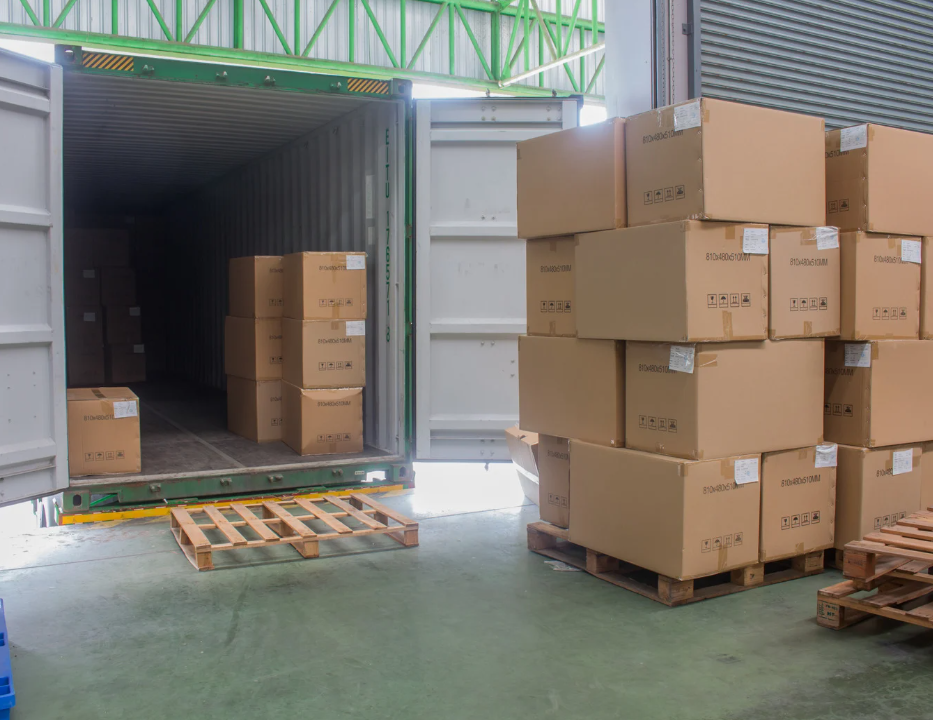
Not every bay does the same job. One may take fast parcel drops, while the next takes large loads on pallets. If all bays use the same path and floor space, a line may form in peak hours.
Map where goods go after they leave the truck. Give staff room to stage loads without blocking doors, exits, or lift truck lanes. If a dock sees lots of foot traffic, add a safe route from the bay to the next work zone.
Flow inside the dock matters as much as the truck route outside. A plan that fits real daily tasks can cut jams near the doors.
Plan Work With Less Downtime
A dock rebuild can affect shipments, staff routes, and yard access. Break the work into phases where the site allows. Keep a safe bay open, mark temp truck routes, and set clear hours for noisy or high-risk work.
MMD Construction lists hands-on design, build-outs, project management, doors, frames, and interior and exterior work among its warehouse renovation services. Its commercial build-out page also covers site work plans and on-site review.
Build phases should fit the shipping plan. Owners should know which bays will close, what staff routes will change, and how the crew will keep the site safe while work moves on.
If your dock traps ice, jams truck flow, or forces staff through vehicle lanes, contact MMD Construction to review the space before winter. Share your site plan, truck mix, peak delivery times, and the spots where water or snow causes repeat trouble. MMD can help plan a build-out or warehouse upgrade that suits the way your team works. Book a site review to turn a hard winter dock into a clearer, safer work zone.


