Many GTA businesses walked into 2026 with higher power bills than they expected. Poorly planned warehouse cooling often hides at the center of that cost, bleeding cash every time summer heat settles over Toronto. When large spaces run with old layouts and dated systems, even small choices add up fast.
Why Big Boxes Are So Hard To Keep Comfortable
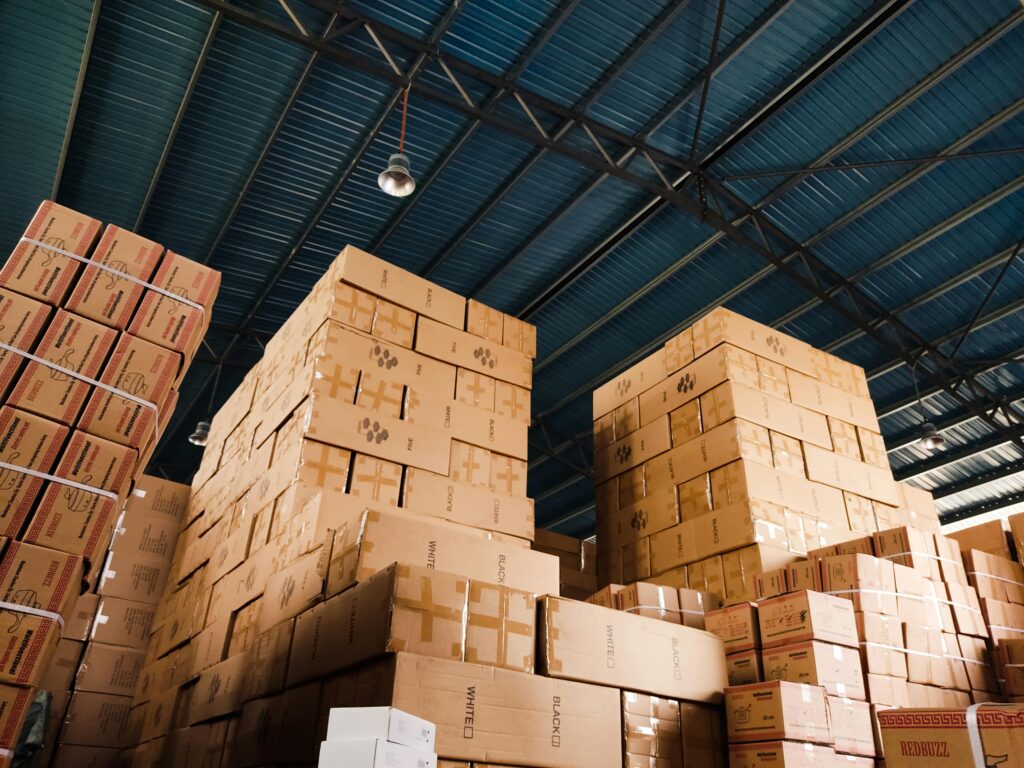
Warehouses were often built for storage first and people second. High ceilings, long aisles, and open loading doors all make it tough to keep air at a steady temp. Basic fans and patchwork units try to chase hot spots, but they rarely keep up.
Heat from the roof, machines, and lights all stacks at the top and slowly drifts down. In many older buildings, staff sweat on the floor while hot, unused air floats above. That is a poor use of both comfort and cost.
Hidden Layout Flaws That Raise Costs
Racks and work zones shape how air moves. Tall shelving placed tight together, with no thought for air paths, can form hot tunnels where air crawls. Pallets stacked high near vents block flow and force systems to work harder.
Break rooms or small offices carved into corners with thin walls can also act like ovens in summer. The main system fights to cool both the huge volume and these small boxes, which rarely works well for either.
The Roof And Shell Play A Bigger Role Than You Think
The building shell—roof, walls, doors, and windows—sets the baseline. A dark, thin roof under strong sun can push a lot of heat into the space below. Old dock doors and gaps around frames let hot air seep in all day.
Simple shell upgrades such as better roof insulation, reflective surfaces, and tighter seals at doors can trim the load before any gear turns on. When less heat gets in, your systems do not have to chase it as hard or as long.
Zoning And Smart Controls Beat One Big Setting
Running a huge room as if every square foot needs the same temp wastes money. In reality, some areas need more comfort than others. Pack lines, sort zones, and offices deserve more focus than rarely used bulk storage corners.
By breaking the space into zones, you can cool where people work and relax standards in low‑use areas. Linked controls can then trim runtimes based on real need, time of day, and even weather trends. This approach turns a blunt system into a more precise tool.
Rethinking Air Movement, Not Just Cold Air
You do not always need a lot more cold air; you often need better air flow. High volume, low speed fans can move large amounts of air gently, helping staff feel cooler without driving temp way down.
Targeted spot cooling at key workstations, paired with good general air flow, can give comfort where it matters most while still guarding the budget. It also helps reduce hot and cold pockets that frustrate staff and lead to constant thermostat battles.
Plan Upgrades Around Your 2026 Goals
Before you spend on new gear, map your real goals. Do you need to meet new comfort rules, support expanded shifts, or cut peak demand charges? Each goal points to a slightly different mix of shell work, layout tweaks, and system changes.
Working with a contractor who understands both building design and fit‑out for industrial sites helps you make the right sequence of moves. Sometimes a small build change—like a better office pod or dock layout—can have a bigger impact than swapping another unit on the roof.
Contact MMD Construction Today
If your warehouse feels hot while your power bills climb, contact MMD Construction today. The team can assess your space, study how your staff and stock use it, and design smart layout and build upgrades so warehouse cooling supports your 2026 budget instead of blowing it.


