
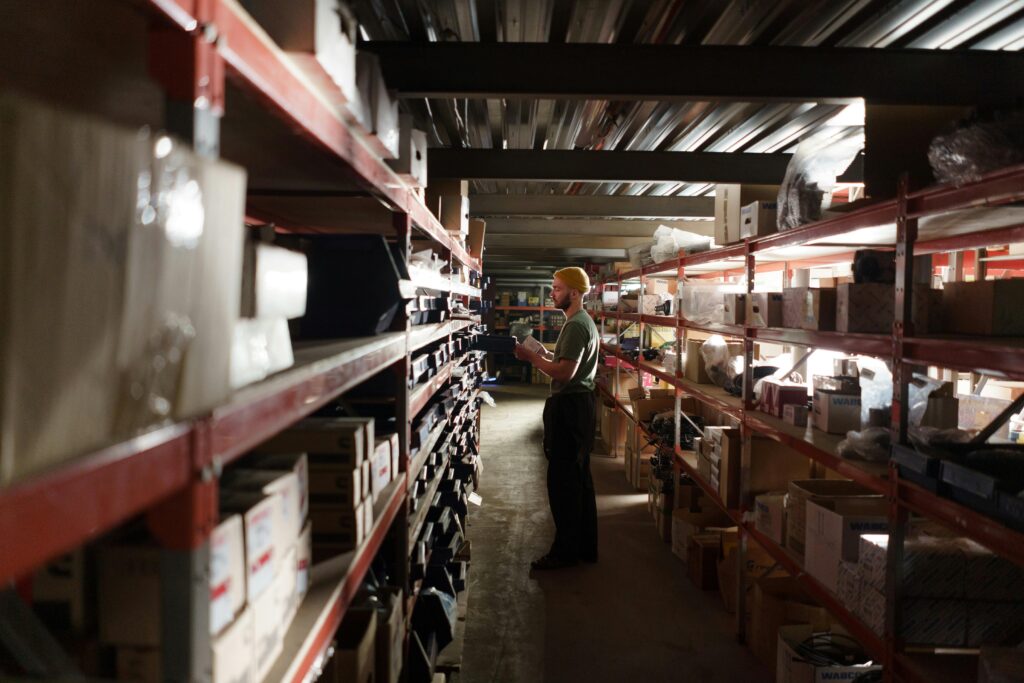
GTA warehouses work hard through deep cold and damp thaws. warehouse insulation sits at the center of any plan to keep staff comfortable and stock protected while energy costs rise. A smarter climate strategy for 2026 blends better envelopes, tuned systems, and thoughtful layout across the floor.
Step 1: Map Your Trouble Zones
Start with a walk‑through on a busy winter day. Note cold corners, drafty dock doors, sweating walls, and aisles where staff complain about the temp. In many Toronto sites, dock lines, mezzanine edges, and high bay ends near exterior walls show the largest swings between hot and cold.
Step 2: Tighten The Building Shell
A leaky shell forces heaters to run harder than they should. Adding or upgrading roof and wall insulation, sealing gaps at joints, and improving dock seals cuts heat loss and removes many of the sharp drafts that drag comfort down. Even modest upgrades in older buildings can trim wasted heat and make temps more stable from floor to ceiling.
Step 3: Respect Height And Air Flow
Tall racks and high ceilings make climate control tricky. Warm air rises, so upper levels may sit too hot while pick paths at floor level feel cold and restless. High‑level fans, baffles, and duct layout that push warm air down into work zones help use every unit of heat better and smooth temp gaps between racks.
Step 4: Upgrade Doors And Dock Areas
Dock doors and loading bays often act like giant leaks. Insulated doors, high quality dock seals, and fast‑acting openers cut the time that cold air pours into the space. Clear traffic plans and staging areas near docks also reduce the need to leave doors open, which protects both staff comfort and sensitive goods.
Step 5: Pair Insulation With Smart Systems
Insulation works best when HVAC gear and controls match the new shell. Zoning large floor areas, using setback temps in low use zones, and adding better sensors keep systems from over‑heating empty space. When you lower loads with stronger envelopes, you may also be able to right‑size future equipment or add higher efficiency units without chasing peak demand.
Step 6: Plan For Staff Comfort And Safety
Climate upgrades are not just about bills; they shape how safe and calm the workday feels. More stable temps reduce slip risk from condensation, help staff stay focused on tasks, and protect gear from wild swings. When you align insulation work with lighting, layout, and safety routes, the warehouse becomes a more reliable, productive space all year.
Step 7: Partner With MMD Construction For 2026 Projects
Complex climate upgrades touch structure, finishes, and building systems. MMD Construction is a family‑run commercial and industrial contractor in the GTA with decades of experience on warehouses, plants, and utility buildings. Their team can manage your 2026 warehouse insulation and renovation project end‑to‑end, from early walkthroughs and budgeting to final build‑out, so your site gains a smarter climate without chaos on the floor.


