
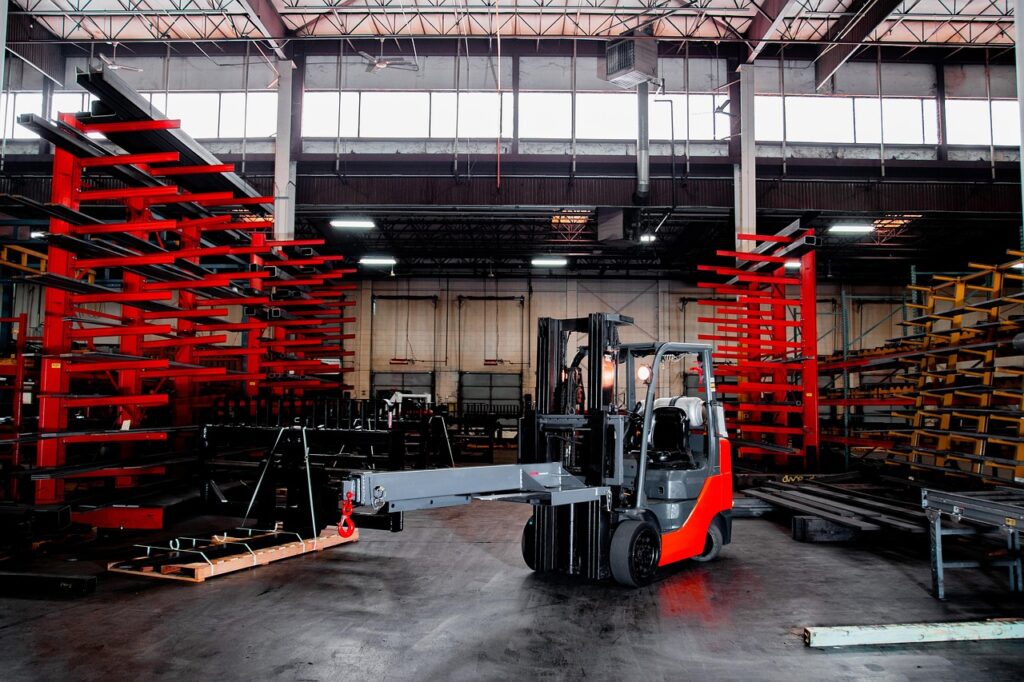
Toronto warehouses face escalating pressure as fall shipping volume climbs. E-commerce expansion and holiday season preparation create sustained demand for rapid, accurate order fulfillment. Warehouse space modernization completed during fall months positions facilities to handle winter peak seasons without operational strain or costly disruptions.
Space efficiency directly determines both speed and accuracy. Every additional minute spent searching for inventory reduces throughput. Every misplaced order damages customer relationships and generates returns that consume resources. Warehouse space modernization addresses these challenges systematically, creating environments where teams execute efficiently without friction.
The Hidden Costs of Outdated Warehouse Layouts
Aging warehouse layouts drain profitability silently. Narrow aisles create congestion that slows movement throughout the facility. Picking paths that wind inefficiently force workers to traverse longer distances repeatedly. This inefficiency creates fatigue that degrades accuracy, compounding productivity losses.
Modern layouts support direct flow paths from receiving through storage to shipping. Clear zones prevent competing traffic patterns. Strategic placement of high-velocity items minimizes movement. Workers spend more time on productive tasks rather than navigating congested spaces or searching for inventory.
Storage Systems That Improve Accuracy and Speed
Updated racking systems improve visibility dramatically. Clear labeling reduces picking errors. Modern systems organize inventory so employees locate items immediately rather than searching multiple locations. This clarity directly increases order accuracy—a critical metric for customer satisfaction.
Vertical storage utilization frees valuable floor space without sacrificing inventory capacity. By incorporating wall-mounted systems and elevated structures, warehouses maximize storage density while maintaining clear pathways. This approach allows facilities to expand without relocation, preserving operational continuity and customer relationships.
Lighting Upgrades Transform Safety and Performance
Fall daylight fades rapidly, creating conditions where poor lighting becomes genuinely hazardous. Outdated lighting systems leave zones of shadow that increase mistake risk and safety concerns. Even, comprehensive lighting improves worker focus and alertness, particularly during the short-day months when fatigue increases naturally.
Modern LED systems reduce electricity consumption while improving visibility. Workers stay alert longer when working conditions are bright and clear. Fewer mistakes mean fewer returns, fewer customer complaints, and lower operational costs overall.
Climate Control Protects Inventory Value
Temperature swings damage sensitive goods rapidly. Electronics, pharmaceuticals, cosmetics, and other products require stable environments to maintain integrity. Fall weather triggers temperature instability that warehouse space modernization addresses directly.
Controlled environments stabilize storage conditions regardless of outdoor weather. Fall upgrades installed before peak season prevent winter losses that compromise inventory value. Product integrity remains steady, protecting margins and reducing waste.
Workflow Design Eliminates Bottlenecks
Defined zones prevent overlapping traffic patterns that create bottlenecks. Clear staging areas for receiving and shipping organize workflow logically. Smooth flow reduces idle time where workers wait for space or clarity on next steps. Throughput rises as a direct result of eliminating friction.
Long-Term Financial Impact
Modernized warehouses reduce downtime, waste, and errors simultaneously. Facilities scale efficiently without costly relocation. Productivity gains compound through every season, improving profit margins directly. Property owners who implement warehouse space modernization during fall establish operational advantages that persist for years, creating competitive superiority that translates to sustained profitability.


